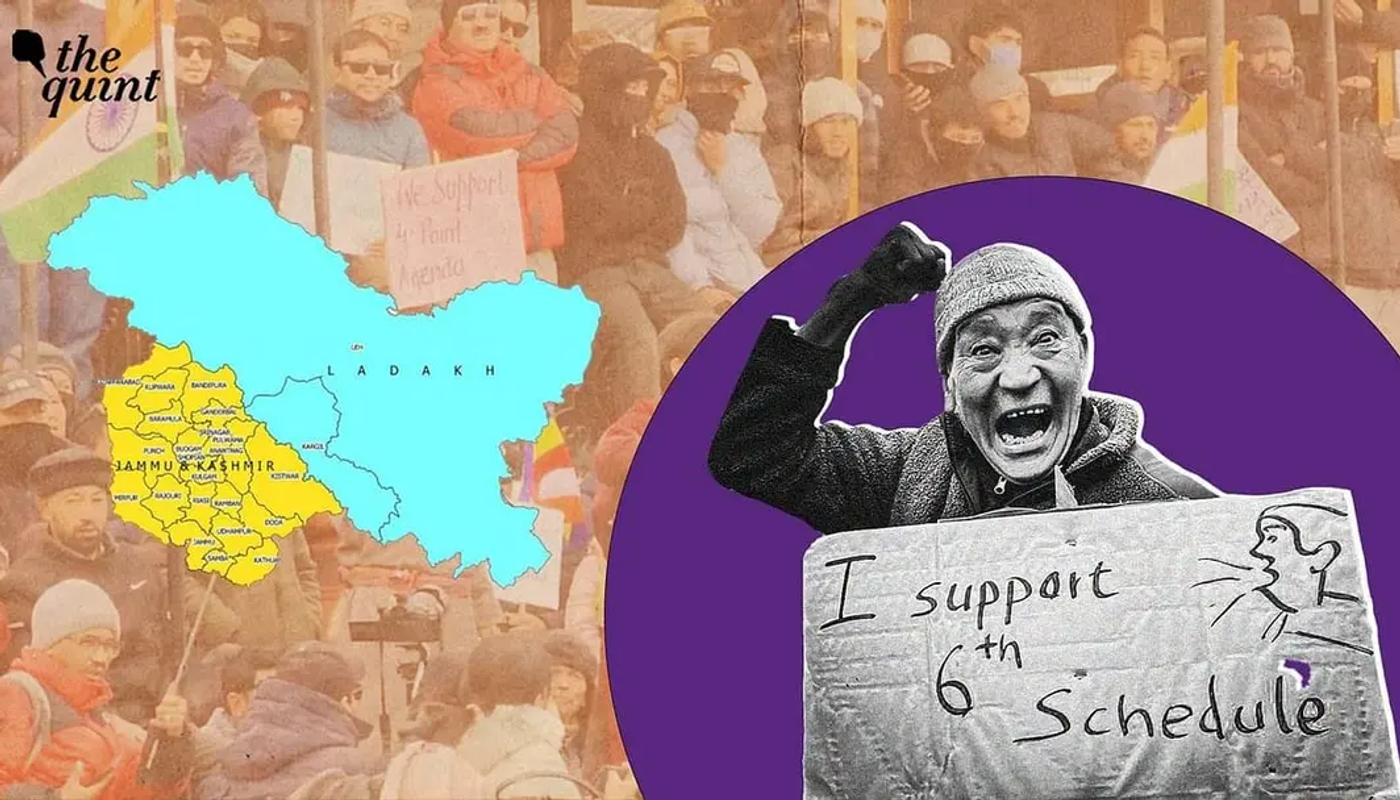
Introduction to the Sixth Schedule
The Sixth Schedule of the Indian Constitution pertains to the administration of tribal areas in the states of Assam, Meghalaya, Tripura, and Mizoram. It provides for the formation of autonomous districts and autonomous regions, offering a degree of self-governance to tribal communities. The implementation of the Sixth Schedule is crucial for the protection of tribal rights, preservation of their traditional customs, and the overall development of these regions.
From a legal perspective, the demands for the inclusion of Ladakh in the Sixth Schedule are rooted in the need to safeguard the unique culture, traditions, and customary laws of the Ladakhi people. If Ladakh were to be added to the Sixth Schedule, it would ensure a framework for local self-governance, land and resource protection, and greater autonomy in decision-making processes. This move has significant implications for the preservation and empowerment of Ladakh's indigenous communities.
Demands of the people of Ladakh
Protection of land rights:
The people of Ladakh are demanding legal safeguards to protect their traditional land rights and ensure that their lands are not exploited without their consent.
Preservation of indigenous culture:
There is a strong demand for the preservation and promotion of the unique cultural heritage of Ladakh, including its art, language, and traditional practices.
Recognition of political autonomy:
The residents of Ladakh are advocating for greater political autonomy and decision-making power in local governance to address their specific needs and challenges.
Historical and Cultural Significance of Ladakh
Ladakh, a region in the northern part of India, holds a rich historical and cultural significance. Dating back to ancient times, Ladakh has been a melting pot of various cultural influences due to its strategic location along the historic Silk Route. The region has been deeply influenced by Tibetan Buddhism, evident in its monasteries, stupas, and prayer flags which dot its landscape.
The traditional Ladakhi way of life, including its unique architecture, festivals, and rituals, has been preserved for centuries, showcasing the resilience and adaptability of its people in the face of harsh natural conditions. The region's cultural vibrancy is also reflected in its vibrant music, dance, and art forms, which continue to thrive and evolve.
Legal Protection under the Sixth Schedule
The Sixth Schedule of the Indian Constitution provides special provisions for the administration of tribal areas in the states of Assam, Meghalaya, Tripura, and Mizoram. It aims to safeguard the rights and interests of the tribal communities residing in these regions by granting them a significant degree of autonomy in local governance. The primary focus of the sixth Schedule is to protect the distinct cultural, social, and traditional practices of these indigenous communities.
Under the Sixth Schedule, areas designated as "Tribal Areas" have their own autonomous district councils with powers to make laws on certain specified matters. These councils have the authority to manage local resources, land, and forests within their jurisdiction, ensuring that the rights of the tribal people are upheld and preserved.
Furthermore, the Sixth Schedule provides for the establishment of autonomous councils with legislative, executive, and financial powers, thereby strengthening the self-governance and decision-making capabilities of the tribal communities. It also outlines the roles and responsibilities of these councils, emphasizing the protection and promotion of tribal culture, language, and heritage.
Importance of inclusion in the Sixth Schedule
Preserving Indigenous Culture
Inclusion in the Sixth Schedule will safeguard the unique cultural heritage and traditions of the people of Ladakh. It will provide legal protection for their language, customs, and way of life, ensuring that they thrive for generations to come.
Empowerment and Autonomy
Being a part of the Sixth Schedule will empower the local communities in Ladakh to manage their affairs, exercise self-governance, and preserve their distinct identity. It will grant them a greater degree of autonomy in matters of local administration and development.
Resource Management
Inclusion in the Sixth Schedule will provide the people of Ladakh with the necessary framework to manage and conserve their natural resources effectively. This will enable sustainable development while respecting the ecological balance of the region.
Legal Safeguards
From a legal perspective, inclusion in the Sixth Schedule will ensure specific constitutional protections for the people of Ladakh, guaranteeing them rights and privileges that are tailored to their unique socio-cultural and historical context.
Implications for Governance and Administration
As Ladakh moves towards potential inclusion in the Sixth Schedule, the implications for governance and administration are profound. One of the key aspects is the empowerment of local self-governance through the formation of autonomous councils. These councils, with legislative, executive, and financial powers, would promote participative decision-making and ensure that the unique needs of the region are prioritized.
Additionally, the Sixth Schedule provides constitutional safeguards for the preservation of customary laws, land rights, and the cultural identity of the indigenous communities. This ensures that the traditional governing systems and customary practices within Ladakh are respected and upheld, contributing to the sustainable development and preservation of the region's distinct heritage.
The administrative machinery would also undergo significant changes, aligning with the specific requirements of Ladakh. The decentralization of powers and resources to these autonomous councils would lead to more efficient and tailored governance, addressing the long-standing demands of the people regarding equitable development, employment opportunities, and resource management.
Challenges and Opposition
Cultural Preservation
One of the main challenges is the preservation of Ladakh's unique cultural identity. The inclusion in the Sixth Schedule may face opposition from those who fear that it could dilute or erode the distinct cultural heritage of the region. Balancing the preservation of traditions with the need for development and integration will be a crucial challenge.
Political Decentralization
Opposition may arise from concerns about the potential impact of increased local autonomy and decentralization of political power. Some groups or individuals may perceive this as a threat to the existing power structures and might resist the changes that come with Sixth Schedule inclusion, leading to political challenges and opposition.
Economic Development
The push for inclusion in the Sixth Schedule may face opposition from those who have vested interests in the current economic systems. Changes in governance and administration can disrupt established economic interests, leading to resistance and challenges as the region seeks to redefine its economic landscape.
Support and Advocacy
Community Support
In Ladakh, there is a groundswell of community support for the inclusion of the region in the Sixth Schedule. Local leaders, activists, and citizens have come together to advocate for the necessary legal protections that would safeguard Ladakh's unique cultural identity and empower its people.
Political Advocacy
Political leaders and representatives from Ladakh have been vocal in their advocacy for the region's inclusion in the Sixth Schedule. Their efforts focus on ensuring that Ladakh's distinct historical and cultural significance is preserved and promoted through legislative means.
International Support
Beyond India, there has been international support for Ladakh's aspirations to be added to the Sixth Schedule. This global advocacy reflects the recognition of Ladakh's unique heritage and the importance of preserving its traditions and governance structures.
Prospects and potential impact
Enhanced Governance
Ladakh's inclusion in the Sixth Schedule holds the potential to enhance governance and administration at the local level. It can pave the way for the establishment of autonomous councils, enabling the locals to actively participate in decision-making processes and the management of their resources.
Preservation of Culture
The future impact of Sixth Schedule inclusion may lead to the preservation and promotion of Ladakh's unique cultural heritage. By granting autonomy, traditional practices, languages, and customs can be protected, fostering a sense of identity and belonging among the local communities.
Economic Development
It is anticipated that the region's economic development will receive a boost through the Sixth Schedule, providing opportunities for sustainable growth and empowerment. Local resource utilization, tourism promotion, and infrastructural development could be prioritized for the betterment of the region.
Conclusion and Call to Action
After exploring the demands of the people of Ladakh, their historical and cultural significance, as well as the legal protection under the Sixth Schedule, it is evident that it is crucial to add Ladakh to the Sixth Schedule for its preservation and sustainable development. The region's unique cultural heritage and fragile ecosystem need to be safeguarded through constitutional measures. It is imperative to advocate for the inclusion of Ladakh in the Sixth Schedule to ensure local self-governance, protect traditional rights, and promote sustainable growth.
With the support of local communities, legal experts, and policymakers, initiating the process to grant Ladakh the Sixth Schedule status would signify a significant step towards recognizing and preserving the region's distinct identity. The call to action is to raise awareness, rally support, and urge legislative action to secure the future of Ladakh within the framework of Sixth Schedule.